


November 02, 2026 By Admin
Ro-Ko return in India’s ODI squad. See what makes a cricket team successful: experience, young talent, clear roles and smart selection.
What Makes a Cricket Team Successful? Lessons from India's ODI Team Selection
Is it star players, experienced performers or young match-winners? What makes a cricket team successful is how well all of these fit together. As India prepares for a five-match ODI series against New Zealand in November 2026, its selection offers practical lessons for team owners, captains and tournament organisers.
What Makes a Cricket Team Successful? A Mix of Experience and Youth
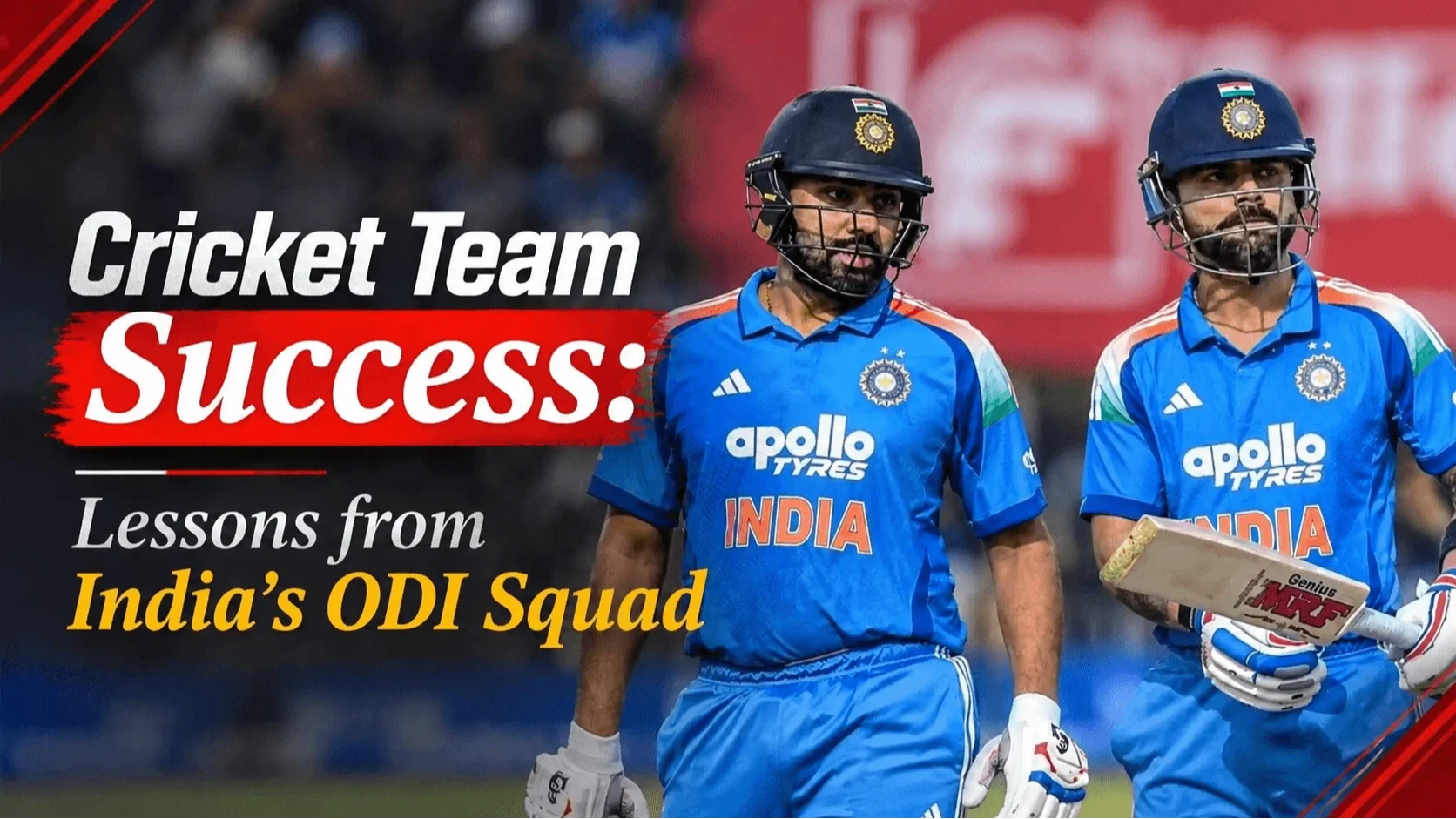
The return of Rohit Sharma and Virat Kohli alongside players at different stages of their careers has made India's ODI selection a talking point. It shows an old truth: individual ability matters, but the right combination matters just as much.
Experienced players bring match awareness, consistency and calm under pressure. Younger players bring energy, fresh skills and the confidence to take on tough situations. A team that leans entirely on one group usually misses something.
When you pick a squad for your own tournament, look for:
- Experienced players who understand match situations
- Young players who bring fresh energy
- Players who have shown consistency
- Emerging talent who can step up when it counts
Rohit Sharma and Virat Kohli: Why Their Return Matters
Rohit Sharma and Virat Kohli now play only ODI cricket for India, so every series is a rare chance to see them. Both featured in all three ODIs against West Indies earlier this month. Rohit scored 225 runs in that series, including a century, while Kohli hit an unbeaten 139.
With the 2027 World Cup in South Africa the next big target, the New Zealand series is also about match readiness. Selectors are not just picking names. They are checking how experience fits around the younger players, and how the group works as one unit.
That is the lesson for a local owner too. Veterans like these give a team calm, a steady head in a chase and a reference point for younger players. But a squad cannot be built from veterans alone.
| Player type | Strength | Watch out for |
|---|---|---|
| Experienced | Match awareness, consistency, calm under pressure | Fitness and workload over a long event |
| Young talent | Energy, fresh skills, fearless approach | Inconsistency in pressure moments |
Why Defined Player Roles Win Matches
A successful side is not a collection of talented individuals. Each player should answer a specific team need.
| Role | What it gives the team |
|---|---|
| Opening batters | A strong start and control of the early overs |
| Middle-order batters | Stability and partnerships |
| Finishers | Faster scoring at the end of an innings |
| Fast bowlers | Pace and early breakthroughs |
| Spinners | Control and wicket-taking options |
| All-rounders | Flexibility with bat and ball |
For local tournaments, list these needs before you pick anyone. Choosing players for their real strengths, rather than popularity, creates far better combinations.
The Risk of Depending on a Few Stars
Every team wants match-winners. The trouble starts when the whole plan rests on one or two of them. If your batting depends on the opening pair, an early collapse puts everyone else under pressure. If your attack has one wicket-taker, an off day can hurt badly.
Success needs contributions from different positions. A squad where several players can take responsibility handles surprises far better than one built around a few big names.
Key Takeaway
Spread responsibility across the squad. Consistency from many players beats brilliance from a few.
You Might Also Like
Flexibility: Picking the XI for the Conditions
Conditions change quickly, so a team that repeats the same combination every time is easy to read. Good captains and managers check a few things before finalising the playing XI:
- Pitch and ground conditions
- Opposition batting and bowling strengths
- Player form and fitness
- Available bowling options
- Batting depth and match requirements
A spin-friendly pitch may call for extra spin, while a different surface may need more pace. Decide on the day, not by habit.
A fixed combination is a plan. An adaptable one is a strategy.
Build a squad, not a star list.
Plan roles and budgets, then run your player auction digitally.
Start Your AuctionWhere Good Selection Begins: The Player Auction
Selection starts well before match day. It begins with knowing what the team needs, and for owners and organisers the player auction is where that plan meets reality. Before you bid:
- Identify the roles your squad needs
- Set a realistic auction budget
- Shortlist players by skills and performance
- Avoid overspending on similar player types
- Keep backup options for key roles
A clear plan reduces the chance of ending the auction with an incomplete squad.
Teamwork, Communication and Captaincy
Even a talented squad needs coordination and trust. Players should understand their responsibilities and back one another.
Captains hold this together. They communicate plans, manage responsibilities and make calls as the match changes. In local cricket, regular practice sessions and clear talk before matches help every player know their role.
Selection Mistakes Local Teams Should Avoid
Professional selection looks complicated from outside, but the same simple mistakes catch local teams every season.
- Bidding on reputation: a famous name is not always the best fit for your gaps
- Buying the same type again and again: three similar batters leave no room for flexibility
- Ignoring backups: one injury should not collapse your plan
- Skipping practice: players need time together to understand each other's roles
Fix these four and you are already ahead of most teams. Match day then becomes about execution, not damage control.
Frequently Asked Questions
What makes a cricket team successful?
A mix of experienced players, young talent, specialist batters, bowlers and all-rounders, supported by teamwork, communication and adaptability.
Why is team selection important in cricket?
It makes sure the squad has the right players for different match situations, helps captains build suitable combinations and reduces dependence on individuals.
Why mix experienced and young players?
Experienced players bring consistency and match awareness, while young players offer energy and new skills. Together they give the team more flexibility.
How can owners pick the right players in an auction?
Identify the roles you need, assess player skills, plan your budget and avoid overspending on players with similar strengths.
Final Thoughts on Building a Winning Side
Quick Summary
- Blend experience with young talent
- Give every player a defined role
- Avoid depending on one or two stars
- Choose the XI to suit conditions
- Plan the squad at the auction, not after it
So, what makes a cricket team successful? The right combination of experience, youth, roles, flexibility and teamwork. India's selection is a reminder that talent is only part of it, and local organisers can apply the same thinking. CricAuction helps run digital player auctions in a more structured way.